Seasonal Bee Activity and When Pest Control Is Most Effective
Understanding seasonal bee activity and when pest control is most effective helps connect you with local service providers who can safely manage bee issues during peak times.
Understanding seasonal bee activity and when pest control is most effective can be essential for property owners looking to protect their homes and outdoor spaces. As bee populations fluctuate throughout the year, certain periods may see increased activity, making it the right time to address potential concerns. Exploring this topic can help property owners plan ahead and work with local contractors who specialize in seasonal bee control, ensuring that interventions are timely and effective.
For those in the area managing property maintenance or pest issues, knowing when bees are most active can make a significant difference in preventing unwanted encounters or hive problems. Local service providers experienced in seasonal bee control are equipped to handle these situations appropriately, aligning their efforts with the natural cycles of bee activity. Keep reading to discover practical insights on how timing impacts bee management and how local experts can assist in maintaining a safe and bee-friendly environment.
- Seasonal bee activity and when pest control is most effective - local contractors often recommend addressing bee issues in early spring or late summer when colonies are most active.
- Seasonal bee activity and when pest control is most effective - experienced service providers can tailor treatments to coincide with peak bee seasons for better results.
- Seasonal bee activity and when pest control is most effective - professionals typically perform inspections during warmer months to identify and remove bee nests before they grow.
- Seasonal bee activity and when pest control is most effective - timing pest control services during specific seasonal windows helps prevent hive establishment and minimizes disruption.
- Seasonal bee activity and when pest control is most effective - local experts understand the seasonal patterns that influence bee behavior and plan treatments accordingly.
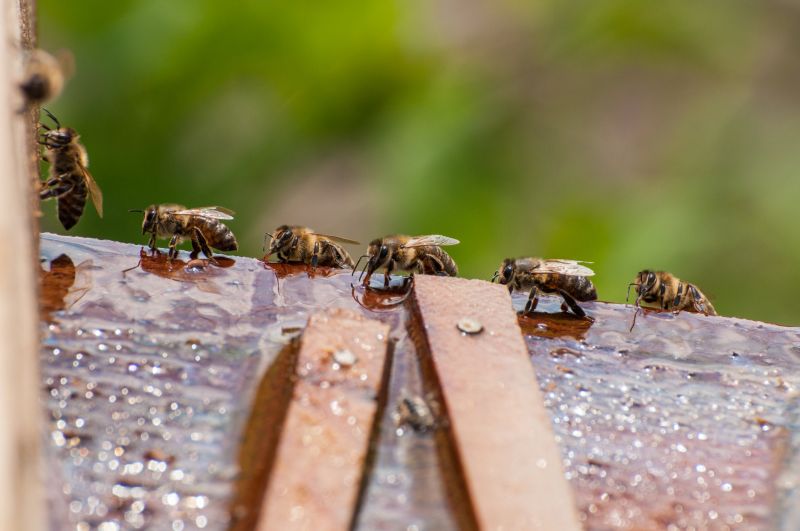
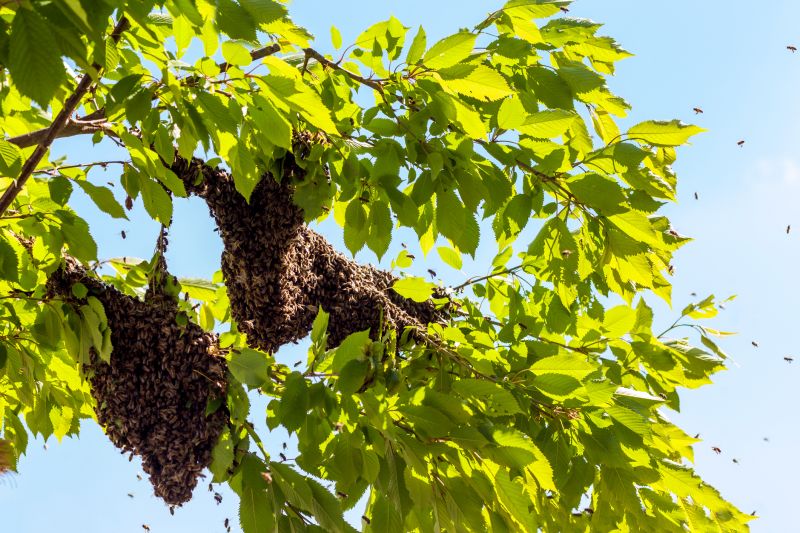
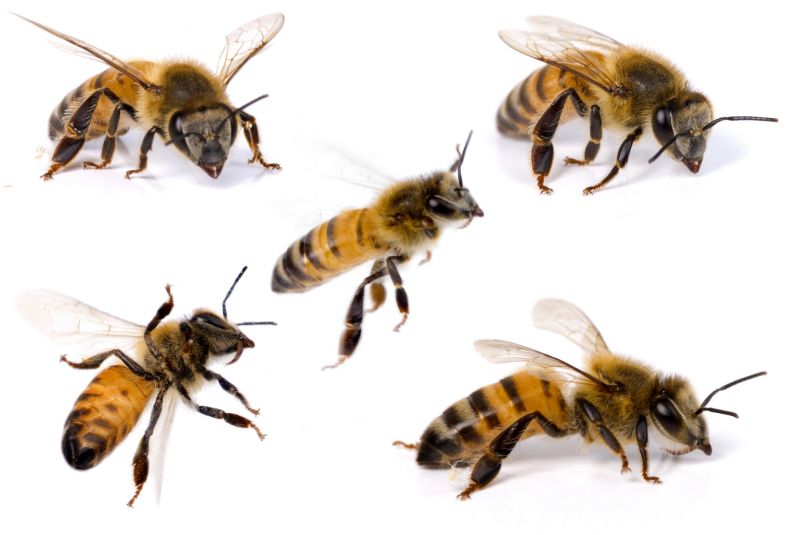
Understanding seasonal bee activity and when pest control is most effective is essential for homeowners dealing with bee-related issues. Many people searching this topic want to know how bee behavior changes throughout the year and how these patterns impact the best times to address bee problems. This information is often connected to plans for removing or relocating bee colonies, especially when they pose safety concerns or threaten property integrity. Common property types affected include residential homes, especially those with gardens or trees that provide ideal nesting sites, as well as commercial buildings, farms, and public parks where bees may establish hives.
Homeowners often inquire about the timing of bee activity to better plan pest control efforts. They may notice increased bee presence during certain seasons and want to understand whether these periods are the most suitable for intervention. For example, bee activity tends to peak during warmer months, which can make pest control more challenging or more urgent. Understanding these seasonal patterns helps property owners decide when to seek professional services to ensure the most effective removal or management of bee colonies, minimizing risks to people and pets while protecting property.
The types of properties that frequently come up in discussions about seasonal bee activity include those with ample outdoor space, such as suburban homes with gardens, orchards, or trees, as well as commercial properties like warehouses, barns, or food production facilities. Structures with cracks, gaps, or voids are common nesting sites for bees, making early detection and timely pest control essential. Local service providers specializing in seasonal bee control can assess these properties and recommend the most appropriate times for treatment based on local bee activity cycles, helping homeowners and property managers plan ahead for safe and effective removal.
For homeowners considering pest control, understanding when bee activity is at its lowest or most manageable can make a significant difference. Typically, late fall and winter months see reduced bee activity, providing a window for more effective and less disruptive treatments. During these times, local pros can implement strategies that target hives when bees are less active or absent, increasing the likelihood of success. Connecting with experienced service providers allows property owners to schedule treatments during these optimal periods, ensuring that bee problems are addressed efficiently and with minimal impact on the property or surrounding environment.
Wildlife Removal Projects - local contractors handle the removal of bees and other pests, requiring knowledge of seasonal activity patterns to determine the best timing for effective control.
Bee Hive Removal - professionals specialize in safely removing bee hives, often scheduling work during periods of low bee activity to minimize disruption and ensure safety.
Pest Inspection Services - inspectors assess property for signs of bee activity and other pests, helping homeowners plan pest control efforts around seasonal activity peaks.
Exclusion and Sealing Projects - local service providers seal entry points to prevent bee and pest infiltration, often coordinating these efforts with seasonal activity cycles for maximum effectiveness.
Seasonal Pest Control Treatments - pest control experts apply targeted treatments at optimal times based on seasonal bee activity and pest life cycles to improve results.
Property Maintenance and Prevention - contractors offer ongoing maintenance to reduce attractants for bees and pests, aligning their work with seasonal activity patterns for best outcomes.

When evaluating local contractors for seasonal bee activity management and pest control, it is important to consider their experience with similar projects. A contractor who has handled seasonal bee control services before will be better equipped to understand the nuances of bee behavior throughout different times of the year. Their familiarity with the most effective timing for pest control efforts can help ensure that treatments are both efficient and appropriate for the specific seasonal patterns in your area. Asking about their past work with seasonal pest management can provide insight into their expertise and ability to handle the unique challenges that come with different times of the year.
Clear written expectations are essential when comparing service providers for seasonal bee control. A reputable contractor should be able to provide a detailed description of what the service will include, what methods will be used, and what results can be reasonably expected. This transparency helps homeowners understand the scope of work and avoid misunderstandings. Additionally, understanding the seasonal factors that influence bee activity and pest control effectiveness can help set realistic expectations about the timing and potential outcomes of treatments. Having this information in writing ensures everyone is on the same page before work begins.
Reputable references and good communication are key indicators of a dependable service provider. When considering local contractors, it’s helpful to seek out reviews or testimonials that speak to their experience with seasonal bee activity and pest control services. Clear, prompt communication from the contractor can also make the process smoother, allowing homeowners to ask questions and receive updates about the timing and effectiveness of treatments. A contractor who values open dialogue and has a track record of satisfied clients is more likely to provide reliable service tailored to the seasonal nature of bee activity and pest control, helping to ensure the work aligns with the homeowner’s needs and expectations.
Property owners often search for seasonal bee activity and when pest control is most effective when they are planning practical projects around their homes and businesses. Local pros provide Seasonal Bee Control services for everyday jobs and straightforward project options.
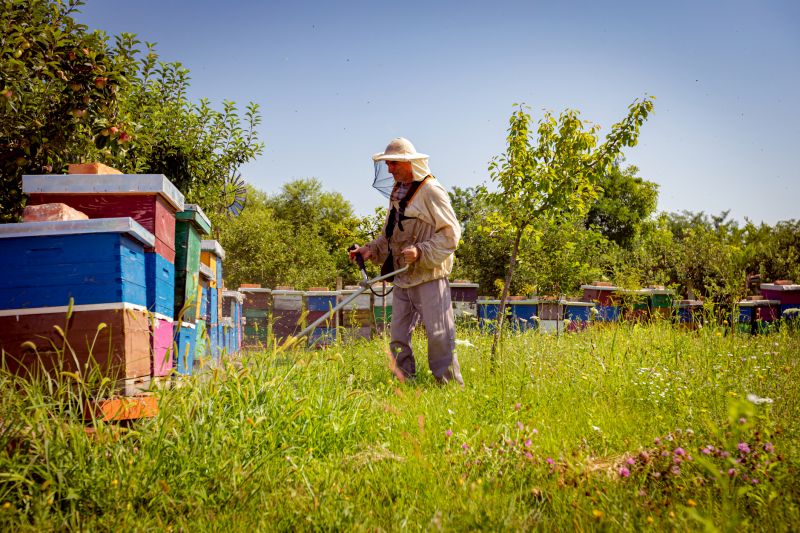
Understanding seasonal bee activity and when pest control is most effective can help property owners manage bee-related issues more efficiently. During warmer months, bees tend to be more active, especially in spring and summer, which can lead to increased sightings around homes and structures. Recognizing these patterns allows property owners to plan pest control efforts at optimal times, potentially reducing the risk of stings or property damage. Local contractors experienced in seasonal bee control can provide guidance on the best periods for treatment and removal, ensuring that interventions are timely and effective.
Timing is an important factor when considering pest control for bees, as certain seasons may offer better opportunities for safe and successful removal. Typically, late spring through early fall sees the highest bee activity, making it a strategic window for professional services to address infestations. Property owners who notice increased bee presence during these times might consider reaching out to local service providers for assistance. These experts can evaluate the situation and recommend appropriate control methods, helping to minimize risks and prevent future problems during peak activity periods.
When is seasonal bee activity at its peak? Peak bee activity typically occurs during warm months when bees are most active in foraging and hive building, making this the most effective time for pest control services to target bee colonies.
How does seasonal bee activity influence the timing of pest control treatments? Pest control is generally most effective when bee activity is high, as local contractors can better locate and remove active hives during peak seasons.
Are there specific seasons when bee control services are less effective? Bee control may be less effective during colder months when bees are less active or hibernating, so scheduling treatments during warmer, active periods yields better results.
What factors affect the success of seasonal bee pest control? Factors such as hive location, bee activity levels, and environmental conditions influence how well pest control efforts work during different seasons.
Why should I consider scheduling bee control services during certain times of the year? Scheduling during periods of high bee activity ensures local contractors can effectively locate and remove hives, reducing the risk of bee-related issues and damage to property.
Timing pest control efforts - Understanding seasonal bee activity helps property owners plan pest control treatments during periods of low bee presence for more effective results.
Identifying bee nesting sites - Recognizing when bees are most active can guide property owners to inspect and address potential nesting areas before populations grow.
Scheduling treatments appropriately - Coordinating with local contractors during specific seasons ensures pest control services target bees when they are most vulnerable.
Preventing future infestations - Learning about seasonal patterns allows property owners to implement preventative measures during peak bee activity times.
If you are thinking about seasonal bee activity and when pest control is most effective for a property, this guide is meant to help you understand this topic, the typical project types, and how different options might fit your plans.
When you are ready, you can use the quote form on this page to share a few details about your project. From there, local pros can review the basics and follow up with options that match what you have in mind.