Get Termite Fumigation
Termite fumigation services help property owners eliminate destructive termites in homes and structures through professional treatments provided by local contractors.
If property owners in the area are facing concerns about pests or signs of termite activity, exploring professional fumigation services can be an important step in protecting their investments. Termite infestations can cause significant damage if left untreated, making it essential to consider effective solutions. This page provides helpful information to assist in planning pest management projects and comparing options among local service providers who specialize in termite fumigation.
For those interested in safeguarding their homes or commercial properties, understanding the available services and how they fit into broader property maintenance plans is key. Local contractors offer a range of fumigation solutions designed to address termite issues efficiently and thoroughly. Keep reading to learn more about the benefits of professional termite fumigation and how to connect with qualified service providers in the area.
- Residential Termite Fumigation - needed when homeowners discover signs of a termite infestation inside their house.
- Commercial Termite Fumigation - required for businesses facing termite issues that threaten property integrity or inventory.
- Pre-Construction Fumigation - necessary before building new structures to prevent future termite problems.
- Post-Construction Fumigation - used after construction to eliminate any hidden or newly introduced termite colonies.
- Emergency Termite Fumigation - sought when urgent treatment is needed due to rapid or extensive termite damage.
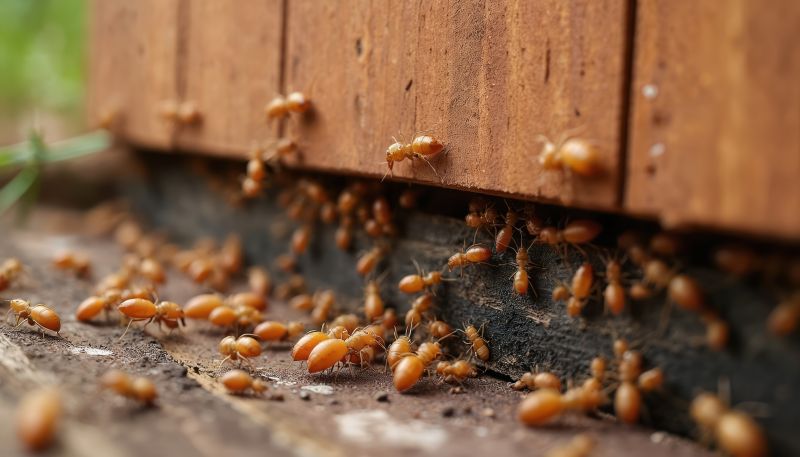

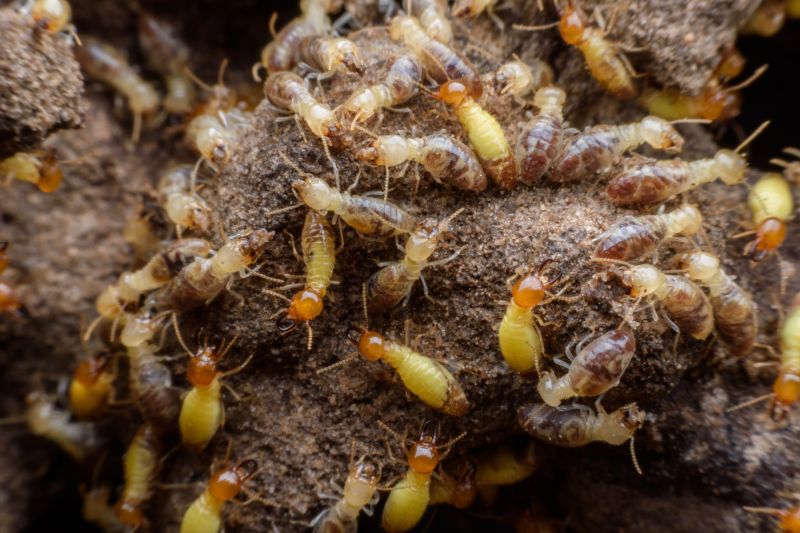
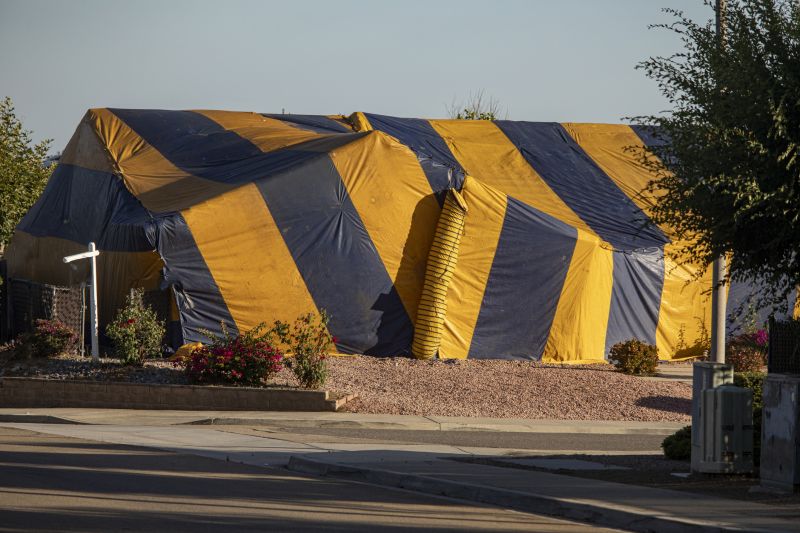
Termite fumigation services involve a comprehensive treatment process designed to eliminate termite infestations from residential and commercial properties. The process typically includes sealing the entire structure within a tent and introducing a fumigant that penetrates wood, soil, and hidden areas where termites may be hiding. This method is effective for eradicating large or deeply established colonies that are difficult to control with other treatments. Professional service providers assess the extent of the infestation and tailor the fumigation approach to ensure thorough coverage and effective results.
These services are primarily used to address problems caused by subterranean and drywood termites. Infestations can lead to significant structural damage, including weakened wood, hollowed-out beams, and compromised foundations. Early detection and treatment are crucial to prevent costly repairs and preserve the integrity of the property. Fumigation is often recommended when termite activity is widespread, persistent, or resistant to spot treatments, providing a comprehensive solution to eliminate the entire colony and prevent future invasions.
Properties that typically benefit from termite fumigation include larger homes, historic buildings, and structures with extensive wood framing or hidden spaces. Commercial buildings, warehouses, and multi-unit residential complexes may also require this service if termites have established a significant presence. Fumigation is especially suitable for properties where localized treatments have proven insufficient or where the infestation is difficult to access through conventional methods. Local service providers can evaluate the specific needs of each property and recommend the most effective treatment plan.
Homeowners should consider termite fumigation services if they notice signs of infestation such as discarded wings, hollow-sounding wood, or visible damage to wood structures. It is also advisable to seek professional assessment if a termite problem is suspected after routine inspections or if previous treatments have failed to resolve the issue. Connecting with experienced local contractors can help determine whether fumigation is the right approach and ensure the work is carried out effectively to protect the property from ongoing termite damage.
The overview below groups typical Termite Fumigation projects into broad ranges so you can see how smaller, mid-sized, and larger jobs often compare in your area.
In many markets, a large share of routine jobs stays in the lower and middle ranges, while only a smaller percentage of projects moves into the highest bands when the work is more complex or site conditions are harder than average.
Smaller Jobs - Typical costs for routine termite fumigation projects in smaller homes or limited areas generally range from $250-$600. Many standard jobs fall within this middle band, making it a common price point for local contractors. Larger or more complex projects can exceed this range.
Moderate Projects - For larger homes or properties requiring extended treatment areas, costs usually range from $600-$1,200. These projects are common and reflect standard scope, though prices can vary based on property size and specific needs.
Extensive Treatments - Larger, more involved fumigation projects, such as those for commercial properties or extensive infestations, can cost between $1,200-$3,000. Many of these projects fall into this higher range, especially when additional services are needed.
Full Property Replacement - Complete termite treatment and property replacement or structural repairs can reach $3,000 or more, with some complex cases exceeding $5,000. These are less common but represent the higher end of the typical cost spectrum for comprehensive solutions.
Actual totals will depend on details like access to the work area, the scope of the project, and the materials selected, so use these as general starting points rather than exact figures.
Wood Borer Treatments - these projects involve identifying and eliminating wood-damaging pests, requiring similar fumigation techniques and planning as termite control.
Structural Pest Control - general pest management projects often include treatments for pests that threaten building integrity, using comparable tools and application methods.
Drywood Termite Treatments - specialized treatments targeting drywood termites share procedures and planning considerations with subterranean termite fumigation services.
Infestation Remediation - projects focused on eradicating severe pest infestations involve similar preparation and treatment strategies used in termite fumigation.
Fungal Wood Decay Treatments - addressing wood decay caused by fungi often requires fumigation-like procedures and careful planning to protect structures.
Structural Pest Inspection Services - thorough inspections to detect pest activity involve skills in assessing infestations, which are essential for planning effective fumigation treatments.

When comparing service providers for termite fumigation, it’s important to consider their experience with similar projects. Homeowners should inquire about how long a contractor has been performing termite treatments and whether they have handled properties comparable in size or construction type. An experienced local contractor will have a better understanding of common challenges and effective solutions, which can help ensure the job is completed thoroughly and efficiently. This familiarity can also provide confidence that the provider is well-versed in the specific requirements and best practices for termite fumigation in the area.
Clear, written expectations are essential when evaluating potential service providers. Homeowners should seek detailed descriptions of the scope of work, including preparation steps, treatment procedures, and post-treatment recommendations. Having this information in writing helps prevent misunderstandings and ensures that both parties are aligned on what will be done. It’s also helpful to ask for a written outline of the process, so expectations are transparent and any questions or concerns can be addressed upfront, leading to a smoother project experience.
Reputable references and good communication are key factors when choosing local contractors for termite fumigation. Homeowners can ask service providers for references from previous clients who had similar work done, to gain insight into the quality of service and reliability. Additionally, a contractor’s responsiveness and willingness to answer questions can indicate their professionalism and dedication to customer satisfaction. While the site introduces homeowners to local options for termite fumigation, it’s important to remember that it does not perform the work itself. Instead, it helps connect homeowners with local service providers who can handle the job, enabling informed decisions based on experience, clarity, and reputation.
Property owners use Termite Fumigation services for practical projects around their homes and businesses. This guide focuses on everyday jobs and straightforward project options.
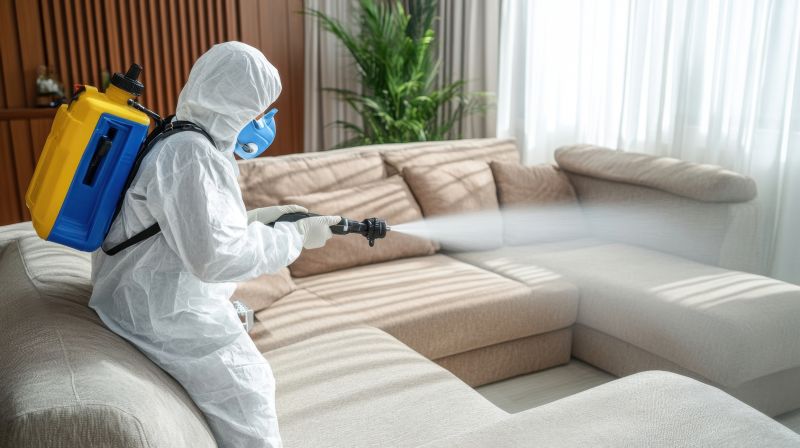
Property owners in the area often seek termite fumigation services when they notice signs of infestation, such as damaged wood or discarded wings around their property. These issues can occur in homes, commercial buildings, or rental properties, especially in regions where termites are common. Local contractors are experienced in identifying the extent of the problem and providing effective treatment options to protect structures from further damage.
In addition to visible signs of termites, many property owners consider fumigation as a preventative measure to avoid costly repairs in the future. Whether preparing for a property sale or maintaining the integrity of a longstanding building, contacting local service providers ensures that experienced professionals handle the job efficiently. These experts can assess individual needs and recommend appropriate solutions to keep properties safe from termite threats.
What is termite fumigation? Termite fumigation involves sealing a structure and introducing a gas to eliminate termites throughout the entire building.
How do I know if fumigation is necessary? A professional inspection by local contractors can determine if fumigation is the appropriate treatment for termite infestations.
What should I do to prepare for fumigation? Preparation guidelines typically include removing food, valuables, and pets from the property; detailed instructions are provided by service providers.
Are there any safety concerns during fumigation? Fumigation is performed by experienced contractors who follow safety protocols to ensure the process is contained and safe for the property.
What types of structures are suitable for fumigation? Many residential and commercial buildings with active termite infestations can be treated with fumigation, depending on their construction and condition.
Pre-Construction Protection - Property owners planning renovations or new construction can arrange for termite fumigation services to protect structures from infestations during the building process.
Infestation Treatment - Homeowners noticing signs of termite activity can schedule professional fumigation to eliminate colonies and prevent further damage.
Preventative Maintenance - Regularly scheduled fumigation can be part of a property’s pest control routine to keep termites from establishing colonies over time.
Property Purchase Inspection - Buyers can have local contractors perform termite fumigation as part of a property inspection to assess and address potential pest issues before closing.
If you are thinking about Termite Fumigation for a property, this guide is meant to help you understand the work, the typical project types, and how different options might fit your plans.
When you are ready, you can use the quote form on this page to share a few details about your project. From there, local pros can review the basics and respond with options that match what you have in mind.